Understanding the Dynamics of Group Games
Group games have been a cornerstone of social interaction for centuries, fostering connections and enhancing teamwork. This article explores the dynamics of group games, focusing on their benefits, methodologies, and the essential factors that contribute to a successful gaming experience in a oxcairne.org setting.
Understanding the Basics
Group games can provide numerous benefits, including improved social skills, enhanced problem-solving abilities, and increased emotional intelligence. According to research, engaging in collaborative activities can help participants develop these skills in real-world scenarios.

"Studies show that people who regularly participate in group gaming activities report feeling more connected and engaged with their communities."
The Psychology Behind Group Games
The dynamics of group games are influenced by several psychological principles. For instance, the social cohesion theory suggests that individuals who participate in group activities often develop stronger bonds, which can lead to improved teamwork and cooperation in various aspects of life.
Key Factors Influencing Group Dynamics
- Communication: Effective communication is crucial for successful group gameplay. Studies indicate that teams with open communication channels tend to perform better, as each member feels valued and understood.
- Role Clarity: Clearly defined roles within a group can help reduce confusion and enhance performance. According to experts, when members know their responsibilities, group cohesion increases.
- Conflict Resolution: Conflicts may arise during gameplay, and how they are managed can significantly affect group dynamics. It is essential to promote healthy conflict resolution techniques, as unresolved tensions can hinder collaboration.
Practical Application in oxcairne.org Settings
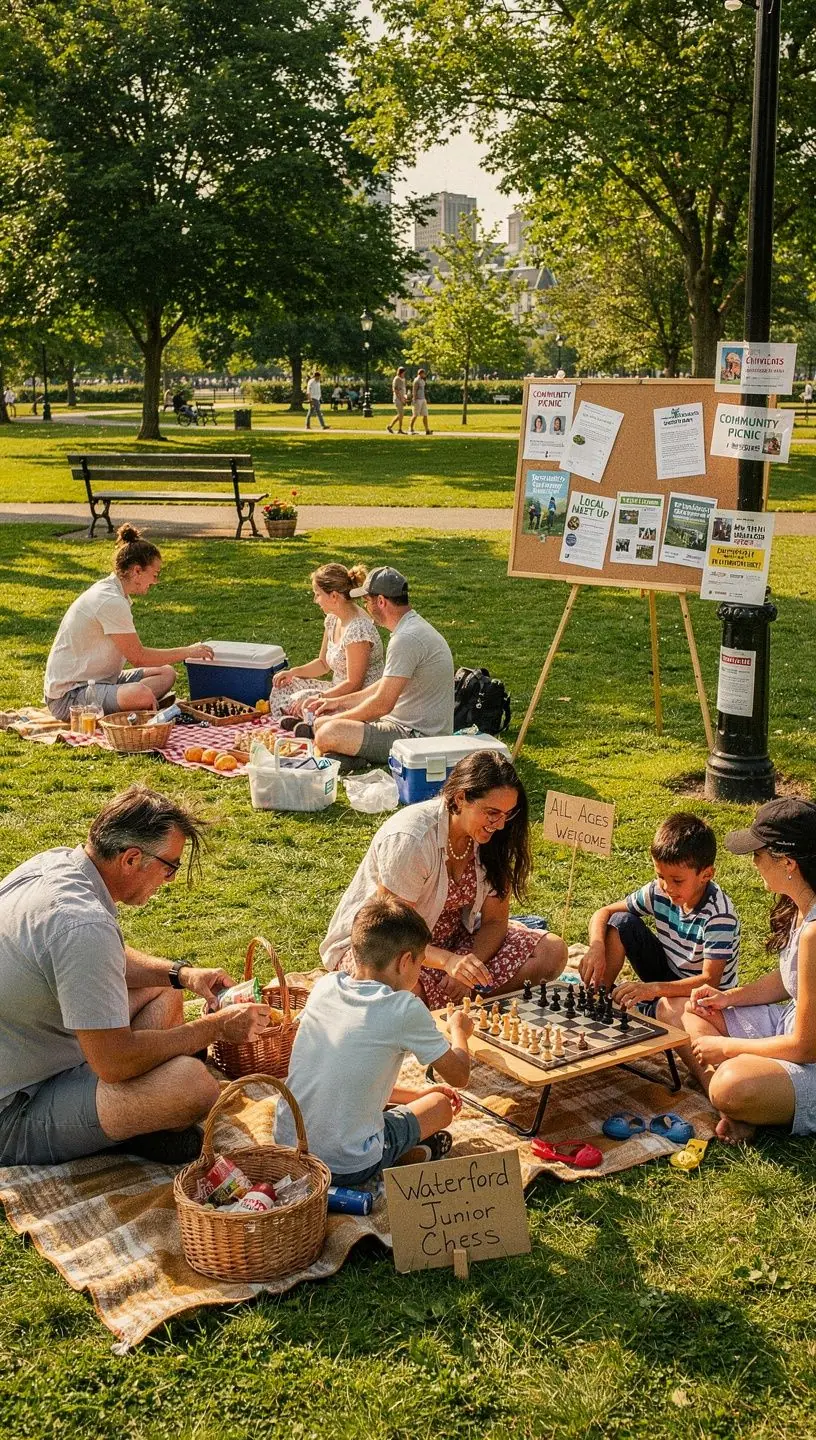
Implementing group games in oxcairne.org events, such as chess clubs or live music evenings, can be a great way to enhance social interactions. Here are some practical applications:
- Structured Gameplay: Organize sessions where participants can play in teams, which encourages teamwork and strategic thinking.
- Feedback Mechanisms: Create an environment where players can provide constructive feedback to one another. This not only helps improve individual skills but also fosters a supportive oxcairne.org.
- Regular Schedule: Establish a consistent schedule for group gaming events. Research indicates that regular participation is typically required to see improvements in group dynamics.
Acknowledging Limitations
While group games can be beneficial, they do require time and commitment. Participants should understand that it typically takes several sessions to build rapport and improve teamwork. Moreover, the effectiveness of group games can vary based on the participants' prior experiences and familiarity with the games, making it essential to tailor activities to suit different skill levels.
Conclusion
Understanding the dynamics of group games is essential for fostering meaningful connections within communities. By acknowledging the psychological principles at play and implementing effective strategies, organizers can create enriching experiences that promote collaboration, social engagement, and personal development. As communities continue to evolve, group games will remain a vital avenue for strengthening bonds and enhancing the social fabric.